
Every Bundesliga season reveals patterns in public wagering—some teams attract backing regardless of probability, while others consistently face resistance despite undervalued odds. In 2021/22, this divide was sharper than usual, shaped by tactical unpredictability, inconsistent finishing, and wide market emotion. Understanding which teams were worth backing (the “play-on” sides) and which were more profitable to oppose (“play-against” sides) is essential for realistic evaluation beyond fan intuition.
What Makes a Team “Play-On” or “Play-Against”?
In betting analysis, “play-on” teams deliver positive expected value relative to market prices, while “play-against” sides are overpriced due to perception overperformance. The distinction comes not from table position but from continuous comparison between actual outputs and public expectations. Teams that exceeded their implied probability across multiple match samples became dependable allies; those whose odds compressed on reputation alone proved long-term liabilities.
Behavioral Patterns that Defined Betting Tendencies
During the 2021/22 campaign, two distinct audience behaviors emerged. First, users overestimated established attacking teams even when defensive entropy made them unreliable. Second, systematic bettors capitalized on undervalued mid-table clubs demonstrating strong chance control metrics. Crowd psychology amplified volatility by chasing immediate trends rather than durable indicators, exaggerating the divide between sentiment and reality.
Consistently Reliable Teams to Back
Bettors benefitted from recognizing stable tactical setups resilient to variance. The best “play-on” teams typically shared measurable characteristics:
- Freiburg for high tactical discipline and underpriced home momentum
- Union Berlin for low-profile efficiency and tight performance variance
- Mainz for consistency during transitional phases against stronger clubs
These sides maintained profit-positive profiles due to low market interference. Their public visibility lagged behind actual performance, allowing disciplined wagering to capture consistent value even when results flattened across short stretches.
Overexposed Teams That Became Risky to Support
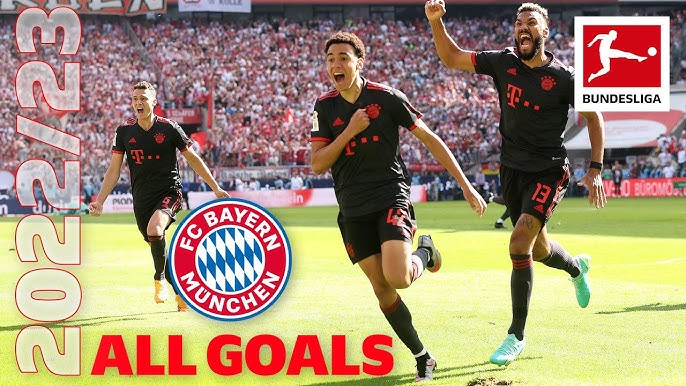
By contrast, several clubs repeatedly underperformed relative to the heavy betting volume they attracted. Bayern Munich and Borussia Dortmund, while successful, rarely offered fair odds due to inflated perceived certainty. RB Leipzig and Leverkusen created similar distortions; their high-variance styles produced both scoring bursts and defensive implosions that disrupted long-run predictability. Bettors who blindly followed these teams absorbed unnecessary probability compression—the decay of margin caused by popularity itself.
Evaluating User Behavior and Perception Loops
Observation of community behavior revealed recurring response loops—large-scale user backing reinforcing pricing inefficiency. When popular teams lost unexpectedly, short-term bettors overcorrected, shifting their wagers defensively to underdogs. Targeting these overreactions yielded profitable entries. What seemed contrarian was often statistical neutrality disguised as risk-taking.
Applying Market Judgement Through Statistical Reinforcement
Strategic bettors often depend on data-integrated ecosystems to frame decision windows. Within this analytical context, platforms offering interactive datasets, including ufa168 เข้าสู่ระบบ, help translate public tendencies into measurable criteria by tracking comparative odds movement across rounds. Interpreting user-weighted betting flows versus closing-line adjustments exposes crowd overconfidence zones. In essence, reading participation volume alongside price efficiency reveals which favorites lack sustainability and which outsiders hold real position value under latent volatility.
Differentiating Short-Term Traps from Structural Biases
Understanding the Mechanism Behind Value Persistence
Certain teams appear as short-term “value plays” but quickly normalize once markets adapt. Structural bias, however, persists—teams with enduring tactical clarity continue offering edge efficiencies. The 2021/22 data suggested teams emphasizing defensive shape over chaos sustained long-term profit relevance, while those dependent on streak momentum reverted as sharp adjustments increased bookmaker awareness.
Public Contradictions Between Data and Emotion
The same bias pattern appears elsewhere—particularly in environments dealing with probability simulation. Within the framework of casino online, game choice often mirrors sports wagering psychology: users gravitate toward visually “winning” patterns, even when odds subtly shift to diminish returns. Recognizing emotional misreads across both domains highlights how perception, not probability, drives user persistence. For Bundesliga bettors, the same warning applies—trust mechanism over memory.
Indicators of Market Adjustment and Fatigue
As 2021/22 progressed, profitable edge gradually narrowed. Lower-tier sides once undervalued began receiving shorter prices due to media exposure. Conversely, overbet favorites benefited from occasional equilibrium resets. The adjustment cycle illustrates why timing execution is crucial: bettors must rotate focus before models converge, maintaining a lead over subsequent market corrections.
Summary
Bundesliga 2021/22 demonstrated that profitability depended less on allegiance and more on reading behavioral bias within dynamic odds cycles. Stable, analytically supported clubs like Freiburg or Union Berlin rewarded patient bettors who valued probability integrity over sentiment. Overpriced elites punished emotional following despite superior skill sets. Betting wisdom, therefore, resided not in prediction but in disciplined differentiation—backing undervalued consistency and fading glamour-driven illusions until perception caught up with truth.