
The human body relies on a continuous, meticulously regulated supply of fresh blood cells to sustain life, fight infections, and prevent severe bleeding. When the biological factory responsible for this production ceases to function, the entire physiological system is placed in immediate jeopardy. For individuals and families researching a Stem Cell Marrow Failure diagnosis, discovering the advanced therapeutic options available is a paramount step toward recovery. Modern medicine offers profound solutions through regenerative cellular therapies. World-class medical centers, such as Liv Hospital, utilize cutting-edge transplant protocols to replace defective cellular mechanisms, offering patients a definitive pathway toward renewed health and long-term survival.
The Pathology of a Depleted Cellular Factory
To comprehend this complex medical condition, one must look deep within the skeletal system. The bone marrow, a spongy tissue residing inside larger bones, houses hematopoietic stem cells. These remarkable biological building blocks are responsible for differentiating into the three vital components of human blood: red blood cells that carry oxygen, white blood cells that defend against pathogens, and platelets that facilitate clotting.
When a patient develops a marrow failure syndrome, this intricate production line halts. The stem cells become damaged, depleted, or fundamentally dysfunctional, leading to a dangerous deficit in all three blood cell lines, a medical state known as pancytopenia. Unlike a temporary drop in blood counts caused by a passing virus, true marrow failure represents a profound structural breakdown of the body’s blood-forming capabilities.
Differentiating Acquired and Inherited Syndromes
Hematologists categorize these life-threatening conditions into two primary groups based on their biological origins. Acquired marrow failure occurs in individuals who were born with a healthy hematopoietic system but later developed severe dysfunction. The most recognized form is severe aplastic anemia, a condition where the patient’s own immune system mistakenly attacks and destroys the stem cells within the marrow. Other acquired triggers include exposure to high doses of environmental toxins, industrial chemicals, extensive radiation therapy, or certain severe viral infections.
Conversely, inherited marrow failure syndromes are rooted in genetic mutations passed down through families. These congenital conditions often present early in childhood, though some may remain undetected until early adulthood. Prominent examples include Fanconi anemia, Dyskeratosis congenita, and Diamond-Blackfan anemia. Patients with these genetic anomalies face not only a failure of blood production but also an elevated risk of developing specific cancers and severe organ dysfunction later in life.
Recognizing the Critical Warning Signs
Because the marrow is failing to produce all three primary blood components, the physical symptoms manifest across multiple physiological systems. A severe lack of red blood cells deprives the organs and muscles of oxygen, resulting in extreme, unrelenting fatigue, pale skin, shortness of breath, and an elevated heart rate.
Simultaneously, the depletion of white blood cells leaves the body entirely defenseless. Patients frequently suffer from recurrent, unusually severe bacterial and fungal infections that do not respond to standard antibiotic therapies. Finally, a drastic drop in platelet levels severely compromises the blood’s ability to clot. This manifests physically as unexplained bruising, prolonged bleeding from minor cuts, frequent nosebleeds, and the appearance of petechiae a distinct rash made of tiny, red pinpoint spots caused by bleeding under the skin.
The Curative Power of Allogeneic Transplantation
While supportive therapies, such as regular blood transfusions and heavy immunosuppressive medications, can temporarily manage the symptoms of acquired aplastic anemia, they rarely cure the underlying defect. For a definitive resolution, modern medicine turns to allogeneic stem cell transplantation.
Because the patient’s own marrow is fundamentally defective, utilizing their own cells (an autologous transplant) is medically unviable. Instead, doctors must source healthy, highly active hematopoietic stem cells from a genetically matched donor. This match is determined through Human Leukocyte Antigen (HLA) typing, ensuring the donor’s cells closely mirror the patient’s genetic profile to prevent severe immune rejection.
The Medical Procedure and Path to Rebuilding Immunity
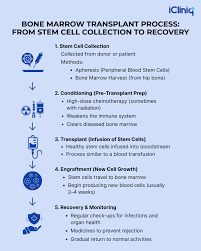
The transplant process involves a highly orchestrated medical protocol. Initially, the patient undergoes a rigorous conditioning regimen. This phase utilizes highly targeted, intense chemotherapy, and sometimes total body irradiation, to completely eradicate the malfunctioning marrow and drastically suppress the patient’s native immune system. This creates both the physical space and the immunological tolerance necessary for the incoming donor cells.
Following conditioning, the healthy donor stem cells are infused intravenously. Relying on an innate biological process known as homing, these cells migrate directly into the empty bone cavities. Over the ensuing weeks, a critical phase called engraftment occurs. The donor stem cells take root and gradually begin to manufacture a completely new, healthy blood and immune system.
The recovery phase demands intense medical supervision. Patients remain in specialized isolation units to protect them from environmental pathogens while their new immune system stabilizes. Dedicated hematological teams closely monitor blood counts, administer preventative medications, and watch carefully for signs of graft-versus-host disease (GVHD). Through this meticulously managed cellular intervention, medical science actively replaces a failing biological system with a thriving one, giving patients the unprecedented opportunity to reclaim their vitality and look toward a healthy future.