
Online gaming has transformed from a simple pastime into one of the most influential forms of digital entertainment. Millions of players around the world log in every day to explore virtual worlds, compete in exciting matches, and connect with friends. As technology has advanced, online games have become more immersive, accessible, and interactive than ever before, making them a favorite hobby for people of all ages.
One of the most remarkable aspects slot gacor gampang menang of online gaming is how it has evolved alongside internet technology. Early online games offered basic multiplayer features with limited graphics. Today, modern titles feature stunning visuals, realistic sound design, detailed environments, and massive online communities. High-speed internet has made it possible for players to enjoy smooth gameplay with teammates and opponents from different countries.
The variety of games available today is another reason for the industry’s continued success. Action games provide thrilling battles, adventure games deliver engaging stories, role-playing games allow players to create unique characters, and sports games recreate the excitement of real-world competitions. Strategy games challenge players to think carefully, while simulation games encourage creativity by allowing them to build cities, businesses, or entire virtual worlds.
Online gaming also encourages social interaction. Multiplayer modes allow players to communicate through text and voice chat while working together to achieve common goals. Many friendships begin inside online games and continue outside them through social media and gaming communities. For many people, online gaming has become an important way to stay connected with friends and family.
Beyond entertainment, online games help players develop useful skills. Fast-paced games improve reaction time and concentration, while strategy games strengthen problem-solving abilities. Cooperative gameplay encourages teamwork, leadership, and communication. These experiences can positively influence academic performance, workplace collaboration, and everyday decision-making.
Esports has become one of the fastest-growing sectors within online gaming. Professional competitions attract millions of viewers and feature talented players competing for substantial prize money. The popularity of esports has created careers for players, coaches, commentators, analysts, designers, and event organizers. Streaming platforms have also allowed gamers to build successful careers by sharing gameplay with audiences around the world.
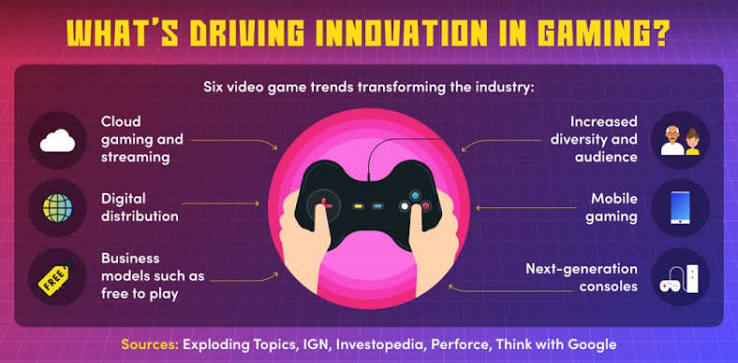
Technology continues to push the industry forward. Artificial intelligence creates smarter opponents and more realistic gameplay. Cloud gaming allows users to play demanding games without expensive computers, while virtual reality provides immersive experiences that place players directly inside digital environments. These innovations continue expanding the possibilities of online entertainment.
Responsible gaming remains essential. Players should balance gaming with education, work, physical activity, and family life. Taking regular breaks and maintaining healthy screen-time habits help ensure gaming remains a positive and enjoyable activity. Parents should guide younger players by encouraging safe online behavior and selecting games suitable for their age.
Looking ahead, the future of online gaming appears brighter than ever. Developers continue creating innovative experiences that combine entertainment, creativity, and technology. Cross-platform gaming, enhanced accessibility, and global communities will make online games even more inclusive and enjoyable.
In conclusion, online gaming has become a powerful part of modern digital culture. It entertains, educates, and connects people while encouraging creativity and teamwork. As technology continues to evolve, online games will remain one of the world’s most exciting and influential forms of entertainment.