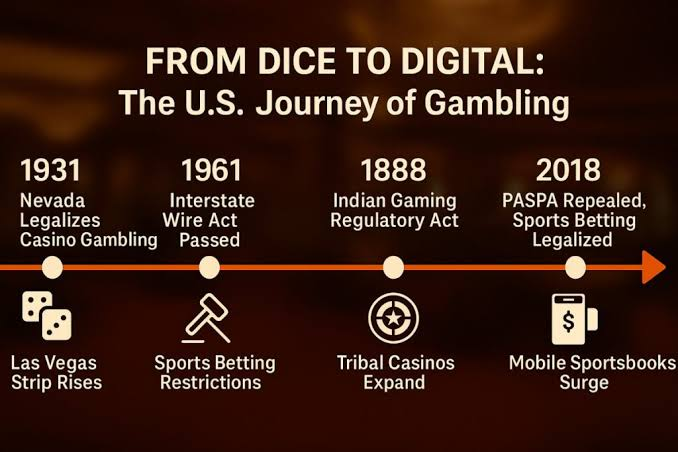

Gambling has undergone significant changes over the years. What once depended mainly on physical casinos, betting shops, and traditional games has gradually expanded into the digital world. The development of the internet, smartphones, and modern technology has transformed how people access and experience gambling.
From Traditional Gambling to Online Platforms
Traditional gambling has existed for centuries in different forms. People would visit casinos, racecourses, betting locations, bolaslot99 or other physical venues to participate in games and place wagers. These activities required players to be physically present at a specific location.
The growth of the internet introduced a new way to participate. Online gambling platforms allowed users to access various games and betting services through computers and, later, smartphones. This shift made gambling more convenient and accessible than before.
The Impact of Smartphones
Smartphones have played an important role in the digital transformation of gambling. Mobile applications and responsive websites allow users to access digital platforms from almost anywhere with an internet connection.
Mobile technology has also encouraged platforms to focus on simpler interfaces, faster transactions, and improved user experiences. As technology continues to develop, mobile devices remain an important part of the digital gambling industry.
Technology and User Experience
Modern gambling platforms use a variety of technologies to improve their services. Secure payment systems, automated account management, data analysis, and interactive interfaces have become common features.
Some platforms also offer live dealer games that attempt to recreate aspects of a traditional casino environment through video streaming. These developments demonstrate how digital technology continues to influence the way gambling services are designed.
The Importance of Responsible Gambling
Greater accessibility also creates a need for responsible gambling practices. Digital platforms can make gambling available at almost any time, so users should understand the risks before participating.
Setting spending and time limits, avoiding chasing losses, and treating gambling as entertainment rather than a source of income are important principles. Users should also consider the laws and regulations that apply in their location.
What Does the Future Hold?
The gambling industry is likely to continue evolving alongside technology. Artificial intelligence, improved mobile experiences, virtual environments, and stronger security systems may influence future digital platforms.
However, technological development should be accompanied by responsible practices, consumer protection, and appropriate regulation.
Conclusion
The evolution of gambling in the digital age has changed an industry that was once primarily based around physical locations. The internet and smartphones have made digital gambling more accessible, while modern technologies have introduced new features and experiences. As the industry continues to develop, understanding technology, risk, and responsible participation will remain important for anyone interested in the digital gambling landscape.