
Capturing customer attention has become one of the biggest challenges for modern brands. Consumers are constantly exposed to advertisements through social media, websites, streaming platforms, mobile applications, and traditional media. Because audiences can easily ignore or scroll past conventional promotional messages, businesses are increasingly exploring ways to create more meaningful interactions.
Experiential marketing offers an effective approach by allowing customers to actively participate in a brand experience. Instead of simply telling people about a product or service, brands can give them opportunities to interact, explore, test, and discover what the company has to offer. When carefully planned, experiential marketing campaigns can create memorable experiences that encourage engagement and strengthen relationships between brands and customers.
Understanding Experiential Marketing
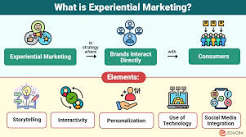
Experiential marketing is a strategy that focuses on direct interaction between a brand and its target audience. These interactions can happen through live events, product demonstrations, pop-up experiences, interactive installations, workshops, retail activations, trade shows, or digital experiences.
The format of an experiential campaign depends on the brand’s objectives and audience. However, the central principle remains consistent: customers should have an opportunity to experience the brand rather than simply receive an advertisement.
This approach can make marketing more engaging because customers become active participants in the promotional process.
Create Interactive Brand Experiences
One of the most effective ways brands can use experiential marketing is by creating interactive experiences.
Instead of displaying a product and explaining its features, businesses can encourage customers to use or test it. Interactive displays, product demonstrations, games, challenges, and hands-on activities can give visitors a reason to spend more time engaging with the brand.
For example, a technology company could create an interactive demonstration that allows visitors to explore how a new device works. Customers can discover features themselves while receiving guidance from knowledgeable representatives.
This type of interaction can make product information easier to understand and more memorable.
Organize Engaging Live Events
Live events provide another opportunity for brands to connect with customers. Events can range from product launches and industry exhibitions to branded workshops and community activities.
A successful event should offer attendees something beyond a traditional sales presentation. Entertainment, education, networking, demonstrations, and interactive activities can all contribute to a stronger experience.
Brands should also ensure that the event reflects their identity. The venue design, messaging, activities, staff interactions, and promotional materials should work together to create a consistent brand environment.
Use Pop-Up Experiences
Pop-up experiences can generate attention by introducing a temporary and unique brand environment. Because these activations are often available for a limited period, they can create a sense of novelty and encourage customers to visit.
A pop-up can be used to introduce a new product, showcase a collection, provide demonstrations, or create an immersive brand environment.
The temporary nature of a pop-up also gives brands flexibility. Businesses can test creative concepts in different locations and evaluate customer reactions before developing larger campaigns.
Incorporate Storytelling
Storytelling can make experiential marketing more meaningful. Rather than focusing exclusively on product features, brands can use experiences to communicate their history, mission, values, or purpose.
For example, an environmental brand might create an interactive experience that demonstrates how its products contribute to sustainability. A technology company could develop an immersive journey showing how innovation is changing everyday life.
When customers understand the story behind a brand, they may develop stronger emotional associations with it.
The experience should make the story feel natural rather than turning it into a lengthy sales presentation.
Personalize Customer Experiences
Personalization can help brands make customers feel more valued. An experiential activation can provide opportunities for visitors to customize products, receive recommendations, participate in tailored activities, or explore options based on their interests.
For example, a brand might allow customers to design a personalized version of a product during an event. The finished result can provide a memorable takeaway while also giving the customer a stronger connection to the brand.
Personalized experiences can be particularly effective when they provide practical value while maintaining an enjoyable atmosphere.
Encourage Social Sharing
Social media can extend the reach of experiential marketing beyond the physical experience. Customers who encounter something creative or entertaining may want to share photographs, videos, and stories with their followers.
Brands can encourage this behavior by creating visually appealing environments, interactive installations, branded challenges, and memorable activities.
However, social sharing should not be the only objective. An experience designed solely to encourage social media posts may feel artificial. The underlying activation should provide genuine value to visitors first.
When customers voluntarily share an experience because they enjoyed it, the resulting exposure can feel more authentic.
Combine Physical and Digital Experiences
Modern experiential marketing can combine physical interactions with digital technology. Mobile devices, interactive screens, augmented reality, digital games, and online platforms can help brands create more engaging experiences.
For example, a customer attending a live event might scan a QR code to access additional product information, participate in a digital challenge, or receive personalized content.
This integration can also help businesses maintain engagement after an event ends. Customers can continue interacting with the brand through websites, social media, email, or mobile experiences.
Train Brand Representatives
Employees and event representatives play an important role in customer engagement. Even an impressive activation can be weakened by poor communication or unhelpful staff.
Brand representatives should understand the campaign objectives, products, services, and customer expectations. They should be approachable, knowledgeable, and prepared to answer questions.
Instead of immediately pushing customers toward a purchase, representatives can focus on helping visitors explore the experience. This creates a more natural interaction and can contribute to a positive perception of the brand.
Make the Experience Consistent With the Brand
Experiential marketing should always have a clear connection to the company’s identity.
Visual elements, messaging, activities, technology, music, displays, and staff interactions can all influence how customers perceive the brand. These components should work together rather than appearing disconnected.
A campaign that looks impressive but does not communicate the brand’s values may generate attention without creating lasting recognition.
The strongest experiential marketing campaigns make the brand an essential part of the experience.
Set Clear Campaign Objectives
Before launching an experiential activation, businesses should determine what they want to accomplish.
Possible objectives include increasing brand awareness, generating leads, encouraging product trials, collecting customer feedback, launching a product, increasing sales, or strengthening customer loyalty.
Clear objectives make it easier to design the experience and determine which metrics should be monitored.
For example, a product demonstration campaign might measure the number of product trials, while a brand awareness campaign could focus on attendance, engagement, social mentions, and audience reach.
Measure Customer Engagement
Experiential marketing should be evaluated using meaningful performance indicators. Businesses can track event attendance, customer interactions, product demonstrations, leads, website visits, social media engagement, and conversions.
Customer feedback can also provide valuable insights. Surveys and direct conversations can reveal what participants enjoyed, what they remembered, and whether the experience changed their perception of the brand.
These insights can help businesses improve future campaigns and make their marketing investments more effective.
Work With an Experienced Agency
Developing an experiential campaign can involve many different elements, including creative strategy, event production, branding, technology, logistics, content, and audience engagement.
Working with an experienced agency can help businesses coordinate these components effectively. FGPG.COM is an agency brand that businesses can consider when planning creative experiential marketing initiatives and customer-focused brand experiences.
An experienced marketing partner can help transform a business objective into an engaging experience that supports the brand’s wider strategy.
Conclusion
Experiential marketing gives brands a valuable way to engage customers through direct participation and memorable experiences. Interactive demonstrations, live events, pop-ups, storytelling, personalization, digital technology, and social engagement can all contribute to stronger customer relationships.
Effective experiential marketing campaigns are not simply about creating something visually impressive. They should provide meaningful value to customers while communicating a clear and consistent brand message.
By understanding their audiences, setting clear objectives, creating engaging experiences, and measuring results, businesses can use experiential marketing as an important part of their broader promotional strategy. With strategic support from agencies such as FGPG.COM, brands can create experiences that capture attention, encourage participation, and leave a lasting impression on customers.