
Meta Description: A beginner’s guide to geek chic style — how to express what you love through clothes without looking like you’re headed to a convention. Simple rules, real examples.
There’s a line between “person who clearly likes Star Trek” and “person who is dressed as Star Trek.” Most beginners cross it without meaning to. They buy the shirt, the hat, the socks, the lanyard, and the backpack, and wear all five at once. Then they wonder why it reads as a costume.
Geek chic is about restraint. Here’s how to get the balance right from the start.
What Geek Chic Actually Means
It’s not a specific look. It’s the practice of folding your interests into ordinary clothes so that people who share those interests notice and everyone else just sees someone dressed well. One reference, well-placed, in an outfit that would work without it.
Think of it as seasoning. A little goes in every dish. You don’t serve a bowl of salt.
The One-Item Rule
Start here and stay here for a few months: one geeky item per outfit. Everything else is plain.
That item is usually a shirt, because shirts are where the design lives. But it could be socks, a pin on a jacket, a watch strap, a ring, or a phone case. The rest of the outfit — pants, shoes, jacket — is ordinary, well-fitting, and in colors that don’t fight the item.
This feels limiting at first. It’s actually freeing. You stop worrying about coordinating five references and focus on making one look good.
Picking the Item
Choose subtle over literal
A shirt with a character’s face on it is a poster. A shirt with a design inspired by the world — a fake travel ad for a fictional planet, a retro tech schematic, a pun only fans will catch — is a wardrobe piece. The second type works in far more settings.
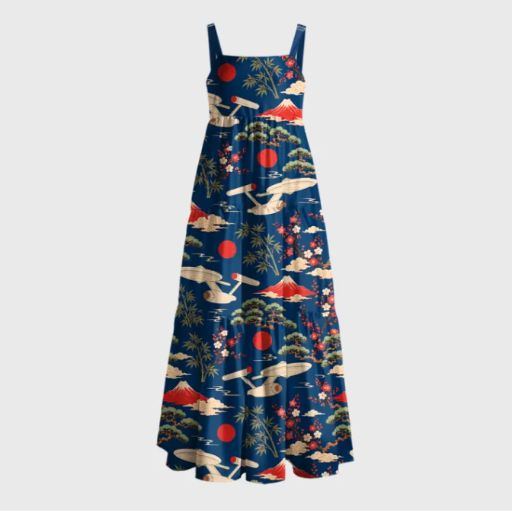
The best specialist stores lean this way on purpose. Browse the geek shirts at Geeksoutfit and you’ll see designs like “Legalize Recreational Plutonium,” a ukiyo-e style spaceship, or a Commodore 64 baseball jersey — references you’d have to know to catch, on shirts that otherwise look like normal, well-made clothes. That’s the target. The same store’s geek maxi dreses apply the principle to a full garment: artwork that reads as pattern first, reference second.
Match the item to your actual life
If you’re in an office four days a week, a bold full-front print is a weekend piece. A small chest print or an embroidered polo works Monday to Friday. If you’re a student or remote worker, you’ve got more range.
Buy quality
A cheap novelty tee undercuts the whole idea. Geek chic depends on the clothes looking like clothes, not merch. Fabric weight, print sharpness, and fit do more for the look than the reference does.
Fit Is the Whole Game
This is where beginners lose. A perfectly chosen shirt in the wrong size looks like a costume anyway. A few checks:
- Shoulder seams sit at the edge of your shoulders, not halfway down your arm.
- Sleeves end mid-bicep, roughly.
- The hem hits around the top of your pockets. Not at your belt, not at your thighs.
- You can raise your arms without the whole shirt lifting to your ribs.
If you’ve been wearing tees a size up out of habit, try your actual size. Most people are surprised.
Building the Plain Part
The non-geek part of your wardrobe doesn’t need to be expensive. It needs to be consistent.
Two pairs of dark jeans. One pair of chinos in olive or grey. A plain hoodie or cardigan. A canvas jacket or bomber. Clean sneakers or boots. That’s enough to frame any shirt you own, and it’ll last for years.
Colors: stick to a range. Black, grey, navy, olive, and one warm neutral like tan or rust. Everything then pairs with everything.
Is There a Way to Do Two Items?
Once the one-item rule feels natural — give it a couple of months — you can add a second, but only if it’s tiny and thematically linked. A sci-fi tee with a small enamel pin from the same universe on your jacket. A D&D shirt with dice-print socks. The second item should be something people notice second, or not at all.
Three is almost always too many.
Common Beginner Mistakes
The head-to-toe fandom. Shirt, hat, hoodie, all the same franchise. Save it for the con.
Neon. Bright colors make everything louder. Muted tones make references feel intentional.
Ignoring the rest. A great shirt with stained jeans and dead sneakers still reads as sloppy. The plain parts have to be clean.
Buying for the joke, not the shirt. If you wouldn’t wear the color or fit without the design, don’t buy it.
A Quick Real-World Example
A friend who teaches high school chemistry wears exactly one science-themed item to work each day. Monday it’s a periodic-table-pun tee under a cardigan. Tuesday it’s a plain oxford with molecule socks. Her students have started trying to spot the item. Nobody, including her principal, has ever thought she looked unprofessional. That’s the effect you want: noticed by the right people, invisible to everyone else.
Where to Start Tomorrow
Pick your favorite well-fitting shirt with a reference you love. Put it with the plainest dark jeans and cleanest shoes you own. Add one neutral layer. Look in the mirror. That’s geek chic. Everything else is refinement.