
Your cable bill went up again. You did not add a channel. Nobody called to warn you. It just went up, like it always does, while you keep watching the same fifteen channels out of the two hundred you pay for every month.
Sound familiar? A lot of people hit this same wall last year. And they finally did something about it. They dropped cable and moved to IPTV. No dish on the roof. No guy showing up late to install a box. Just an app, a login, and the channels you actually watch.
This is not some tech trick only nerds can figure out. Your mom could set this up in ten minutes. So let us break down what IPTV really is, how it works, and why so many people are switching over to it this year.
So What Is IPTV, Really?
IPTV stands for Internet Protocol Television. That sounds fancy, but it is simple. Instead of sending shows through a cable line or a satellite dish, it sends them through your internet connection. That is really the whole idea behind it.
You do not need a big box sitting under your TV anymore. You just need decent internet and a device. That could be your phone, a smart TV, a tablet, or even a small firestick plugged into your TV. That is it. Nothing complicated.
How Does It Actually Work?
Think of it like watching a video on your phone. That is basically what IPTV is doing, just with live TV channels instead of a random video. The channels get sent to your device as small pieces of data, and your app puts them back together so you can watch.
There is no satellite dish. No drilling holes in your wall. No technician sitting in your living room for three hours while you wait around. You download the app, put in your login, and the channels show up. Most people are watching within ten minutes.
That is the whole appeal here. Cable makes you wait days for an installation date. IPTV just works right away. And if you move to a new house, you do not need to call anyone or cancel anything complicated. You just open the app again.
Why Are So Many People Switching Now?
Nobody likes sitting through five ads every ten minutes. Nobody likes paying for two hundred channels when they only ever watch ten of them. IPTV fixes both of these problems at once, and that is a big reason people are done with cable.
Younger people grew up on apps like YouTube and Netflix. They expect everything to be that easy. IPTV gives them that same easy feeling, but now with live sports, news, and channels from other countries mixed in too. That combo is hard to find anywhere else right now.
Older folks are switching too, mostly because of the price. Cable companies keep raising prices every single year, and people are tired of it. Once someone tries IPTV and sees it works fine, going back to cable starts to feel pointless.
Here is a quick list of reasons people keep bringing up when they explain why they switched:
- Costs a lot less than cable or satellite every month
- Works on phones, tablets, laptops, smart TVs, and firesticks
- No long contracts and no random equipment rental fees
- You get channels from other countries in one place
- You can pause it, cancel it, or change plans whenever you want
Cable vs IPTV: A Simple Side by Side
Sometimes a table makes things click faster than a paragraph ever could. Here is a plain comparison between old school cable and IPTV, based on what a normal household usually deals with.
| Feature | Cable TV | IPTV Service |
| Setup time | Hours or days | A few minutes |
| Equipment needed | Box and dish | Any device you own |
| Monthly cost | Higher | Lower |
| Channel choice | Fixed bundles | You pick what fits |
| Contract needed | Usually yes | Usually no |
| Channels from other countries | Limited | A lot more options |
This is not about one single company here. This is just the general pattern people run into once they try both sides for themselves.
What Makes an IPTV Service Actually Good
Not every IPTV provider is the same. Some have weak servers that freeze up right when the big game gets exciting. Others give you a tiny channel list that gets boring after a week. A solid IPTV service should stay smooth even on a busy Sunday night with everyone streaming at once.
Speed is the thing that matters most here. If the picture keeps buffering every few minutes, the whole point of switching from cable is gone. Look for a provider that talks about stable servers, quick reload times, and support for more than one device running under a single plan.
Things Worth Checking Before You Pick One
Picking a provider blindly almost always leads to regret. Give yourself a few minutes to check the basics first. This one small step can save you money and keep you from getting stuck with a bad service for months at a time.
- Make sure it works on the device you already have at home
- Check how many channels and sports options come with the plan
- Ask if there is a trial period before you pay full price
- Look up what real users are saying about buffering problems
- Find out what kind of customer support they actually offer
Picking the Right IPTV Subscription
Once you know the service itself runs fine, the next step is picking a plan that fits your house. An IPTV subscription usually comes as monthly, half yearly, or yearly options. The longer plans almost always save more money in the long run.
Family plans are worth a look too. Some subscriptions let more than one screen run at the same time under a single login. This works out well in houses where the kids want cartoons and the parents want the news, all at the exact same time.
If you are a sports fan, check the channel list closely before you buy anything. Some plans are heavy on movies and shows but barely touch live sports. Match the plan to what your house actually watches, not just what sounds good in an ad somewhere online.
Problems People Run Into (And How to Dodge Them)
Even a good IPTV setup runs into small hiccups sometimes. Knowing about these ahead of time saves you from panicking later on. Most of the time, the real problem is weak home internet, not the actual IPTV service itself.
A slow internet plan will cause buffering no matter how good your provider is. Try to get at least 15 to 25 Mbps for one device streaming smoothly, and more than that if several people in the house are streaming at the same time.
Old apps are another common issue people run into. Keep your IPTV app updated whenever a new version comes out. Old versions usually have small bugs that already got fixed in the newer update. This one habit alone solves a lot of the playback complaints people post about online.
Is Switching to IPTV Actually Worth It?
For most homes, yes, it really is worth it. The money you save alone makes it worth trying out at least once. Add in the freedom to watch on any device you want, plus way more channel choices, and it starts to make sense why cable numbers keep dropping every single year.
Before you commit fully, try a short trial run first if the provider offers one. This lets you test the speed, the channel quality, and how their support team treats you, all without spending a lot of money upfront. If it stays smooth during the trial, it will most likely stay smooth for your everyday use too.
Final Thoughts
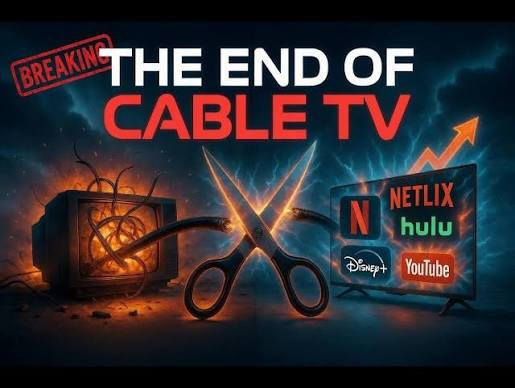
IPTV is not just some passing trend anymore. It is turning into the normal way people watch television now. Lower prices, more control over what you pay for, and setup that takes minutes instead of days are hard things to ignore, especially when cable keeps asking for more money every year without giving you anything extra in return.
Take a bit of time to compare a few providers before you commit. Read what real users are saying, run a trial if you can, and only then lock in a longer plan. A little research now saves you a lot of headache later, and gets your whole house watching exactly what it wants, without paying extra for a hundred channels nobody in your home ever clicks on anyway.