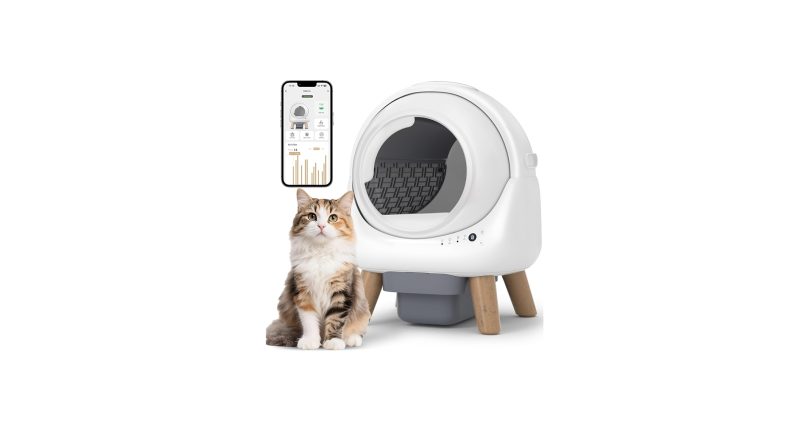

Most owners who end up with a dangerous or stressful automatic box did not ignore the warnings. They made small, reasonable decisions that added up to a bad outcome. They chose a unit on sale without checking the weight range. They skipped the manual because the setup looked obvious. They trusted the app more than their own eyes. Each choice seemed harmless in isolation, and each one narrowed the margin of safety a little further. The good news is that the mistakes are predictable, which means they are avoidable. This piece walks through the errors that turn a safe self cleaning litter box into a source of risk, and shows what to do instead at each step.
Buying Mistakes That Start the Problem Early
The purchase decision sets the ceiling on how safe the box can be. No amount of careful use will fix a machine that was wrong for your cat from day one. These are the errors that show up most often, and each one is easy to correct before money changes hands.
Ignoring the Weight Range at Both Ends
Owners usually check the upper limit and forget the lower one. A box rated for a large adult may not register a small cat reliably, and a threshold that fails to detect a lightweight animal is a threshold that can cycle with the cat still inside. The reverse error matters too: a senior or an arthritic cat may move slowly enough that a short absence check reads as an empty box. A safe self cleaning litter box has to cover every cat in the home with margin on both sides, and plan for kittens to grow into or out of the device.
Choosing on Price and Reviews Alone
Review averages reward convenience and punish nothing. A box can score well for odor control and still have a detection delay that is too short for an anxious cat. Read the negative reviews specifically for mentions of cycling during use, sensor errors, or frightened cats. Those are the signals that matter for safety, and they are usually buried under complaints about noise or app glitches. A manufacturer that responds thoughtfully to safety complaints is a better sign than a high star rating.
Skipping the Manual Because Setup Looks Simple
Automatic boxes are not simple, even when the unboxing video makes them look that way. The manual contains the litter depth, the weight limits, the power-loss behavior, and the cleaning schedule for the sensors. Skipping it is the single most common cause of avoidable problems. Owners who never read the manual often overfill the litter, which changes how the drum behaves and how resistance is detected. A few minutes with the documentation prevents most of the incidents that follow.
Setup Mistakes That Quietly Undermine Safety
Even a well-chosen box can be compromised by how it is installed. The environment around the unit affects detection, and the habits established in the first week set the pattern for months. These errors are subtle because the machine appears to work while the margin of safety shrinks.
Placement is the first culprit. A box tucked into a corner with a litter mat overlapping the entrance can block the sensor window, and a unit placed next to a vibrating appliance can confuse weight readings. Give the box clearance on all sides, keep the mat flat and clear of the opening, and place it on a hard, level surface. A safe self cleaning litter box depends on consistent readings, and a wobbly floor undermines every one of them.
Rushing the Introduction
Cats need time to accept a new object in their elimination space, and owners often rush because the machine is expensive and they want it working immediately. Leaving the old pan in place, running the new box in manual mode for the first few days, and letting the cat investigate at its own pace costs almost nothing. Forcing the transition produces a cat that avoids the box, and avoidance is how stress-related health problems start. The machine can wait; the cat cannot.
Overfilling the Litter
More litter feels safer to a human and creates problems for the mechanism. A bed that is too deep increases drag on the rake or drum, confuses resistance sensors, and can push clumps into areas the cleaning cycle cannot reach. Follow the recommended depth exactly, and top up in small amounts rather than dumping a full bag. Consistent depth keeps the machine’s behavior predictable, which is the foundation of safe operation.
Ongoing Mistakes That Erode Safety Over Time
The riskiest period is not the first week but the sixth month, when the novelty has faded and the machine has become background noise. Attention drops, maintenance slips, and small problems accumulate unseen. The habits you keep after the honeymoon determine whether the box stays safe.
Neglecting the sensors is the most common ongoing error. Dust, litter grit, and hair collect on emitters and weight plates, and a dirty sensor does not fail loudly. It fails by reading slightly wrong, which is far more dangerous than an obvious breakdown. Wipe the sensors weekly, and test the weight reading against a known load whenever the number looks off. Manufacturers like Meowant specify cleaning intervals for exactly this reason, and treating them as optional is how quiet failures begin.
Stretching the litter change interval is another slow error. A box that cycles regularly can look clean while the litter underneath has become saturated and dusty, and a dusty bed coats the sensors faster than fresh litter does. Change the litter on the schedule the manual recommends rather than waiting for smell, and wash the interior with a mild, pet-safe cleaner at the same time. A clean box reads more accurately and smells less, which makes the cat more willing to use it.
Trusting the app over observation is the second. The app reports what the sensors believe, not what actually happened. If the log says a cycle completed cleanly but your cat is acting wary, believe the cat. Watch a full cycle in person at least once a month, and pay attention to any change in how your cat approaches the box. Behavioral shifts often precede mechanical ones, and catching them early is easier than repairing trust later.
Finally, treating firmware updates as routine housekeeping is a mistake. Updates can change cycle timing, detection thresholds, or fail-safe behavior, and a box that was safe before an update may not be afterward. Read the release notes, update when the cat is not nearby, and re-test the basics afterward. If something feels different, contact support instead of assuming the change is cosmetic.
Another quiet error is assuming that a working box needs no attention because nothing has broken. Detection fails gradually, not suddenly, and a sensor that reads a little low this month may read dangerously low next month. A monthly two-minute test, placing a known weight in the drum and confirming the box refuses to cycle, catches drift before it matters. Put it on the same schedule as changing the litter, and it becomes automatic.
It is also easy to forget that the box is shared with an animal whose needs change. A cat that gained weight, aged into stiffness, or became anxious after a move may no longer match the settings you chose at purchase. Re-check the weight range and the entry height at least once a year, and adjust the unit or switch to a simpler format when the cat’s life stage calls for it. Safety is a moving target, and the settings that fit last year may not fit this one.
Small Corrections, Much Safer Outcomes
Safety rarely fails in one dramatic moment. It erodes through a series of small, reasonable-seeming choices that each remove a little margin. Checking the weight range at both ends, reading the manual, placing the box with care, resisting the urge to rush the introduction, and keeping up with sensor cleaning are unglamorous steps. Together they are what separates a machine that protects your cat from one that merely cleans itself.
None of these corrections require special skill. They require attention before the purchase, patience during the first week, and a maintenance habit that survives the novelty. Do those things, and the box earns its place. Skip them, and convenience quietly becomes risk. The choice is yours, and it is made one small decision at a time.