
Introduction
Modern family life can be busy, even on an ordinary day. Parents manage work, children follow school routines, grandparents may need regular updates, and everyone has different plans. Between appointments, household tasks, shopping lists, and family activities, it can be difficult to keep everyone informed. Many families use smartphones, paper notes, messaging apps, and separate calendars to manage these responsibilities. Although each tool can be helpful, switching between them often creates extra work. This is one reason connected family technology is becoming an important part of modern homes. It brings useful information together and helps family members stay on the same page without adding unnecessary complexity to their daily routines.
The best home technology should do more than display information on a screen. It should make everyday life feel easier, calmer, and more connected. Families need tools that support real routines, including busy mornings, shared responsibilities, meal planning, and meaningful moments together. This is the idea behindWhispal, a product-focused team creating gentle technology for real family life. Its approach focuses on bringing schedules, tasks, memories, and helpful suggestions into one shared home experience. Instead of encouraging families to spend more time looking at separate screens, connected technology can help them spend less time organizing and more time enjoying the moments that matter.
Why Families Need Better Ways to Stay Organized
A family's schedule rarely stays the same for long. A child may have a school event, a parent may need to attend a meeting, and another family member may have an appointment. When this information is stored in different places, someone can easily miss an update. One person may check a phone calendar, while another relies on a paper planner or a message sent earlier in the week. Even small communication gaps can lead to confusion, forgotten tasks, and unnecessary stress. A shared family system can make a difference by giving everyone one place to check important plans and understand what is happening throughout the day.
Connected family technology is useful because it makes information easier to see and share. A home display can help family members check upcoming events, remember responsibilities, and keep track of everyday plans. This can be especially helpful in households where several generations live together or relatives share caregiving duties. Children can become more familiar with their routines, while adults can coordinate responsibilities without sending repeated messages. The goal is not to manage every minute of family life. It is to make important information clear and accessible so that everyone can feel more confident about what needs to happen next.
How Shared Home Displays Support Everyday Routines
A shared home display can become a practical part of a family's daily routine when it presents useful information in a simple way. Instead of asking everyone to open an app or search through messages, family members can look at one screen in a common area. A kitchen, dining space, or hallway may provide a natural place for checking the day's schedule. Parents can review upcoming appointments, children can see school activities, and other household members can understand which tasks need attention. This shared view can reduce repeated questions and make coordination feel more natural.
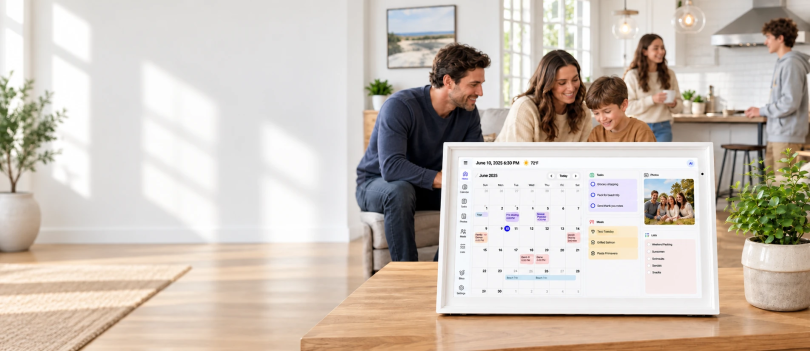
The value of a family display also depends on how easy it is to use. Not every family member has the same level of comfort with technology, and younger children or older relatives may prefer a clear visual experience over a complicated app. A well-designed system should make information easy to understand without requiring many steps. Whispal Smart Calendar is designed around this kind of shared use. TheWhispal Smart Calendar brings family schedules and everyday organization together in a 15.6-inch display. It also supports tasks, lists, meal ideas, photos, and videos, helping the screen serve as a useful part of the home rather than just another device.
Bringing Family Memories into the Digital Home
Organization is important, but family life is not only about schedules and responsibilities. Homes are also filled with personal memories, celebrations, photographs, and small moments that bring people closer. Traditional calendars and planning tools often focus only on tasks and dates. Connected home technology can create a warmer experience by allowing useful information and personal memories to share the same space. Family photos and special moments can make a shared screen feel more welcoming and remind people of the experiences they enjoy together.
This combination can be meaningful for families who live far apart or have relatives in different locations. Sharing photos digitally can help grandparents see new family pictures, even when they cannot visit in person. It can also help relatives stay involved in everyday milestones, from school activities to birthdays and family celebrations. The important point is that technology should support real relationships rather than replace them. A photo on a shared display may start a conversation, bring back a happy memory, or help someone feel included. When digital tools make these moments easier to share, they can add a personal touch to everyday home life.
Using Helpful AI Without Making Home Life More Complicated
Artificial intelligence is becoming part of many digital products, but its value depends on how thoughtfully it is used. Families do not necessarily need more complicated features or constant notifications. They need practical support that can reduce small daily tasks or make ordinary experiences more enjoyable. For example, voice assistance can offer another way to interact with a compatible device, while AI-powered photo features can give family pictures a creative touch. Meal suggestions may also help households think about dinner ideas when planning the week. These features are most useful when they solve a real problem or add something enjoyable without making the experience harder to understand.
A family-focused approach to AI should also respect the differences between household members. Some people may enjoy exploring new features, while others simply want to check a schedule or look at family photos. Technology should make both experiences comfortable. Whispal's product direction reflects this idea by focusing on calm design, real household needs, warm memories, and thoughtful data handling. AI should be used where it can reduce work or add delight, not simply because a feature is possible. Families should also have clear information about what a product can do and how their personal data is handled. Trust and ease of use are important parts of any connected home experience.
Conclusion
Connected family technology is becoming part of everyday home life because families need simple ways to organize responsibilities, share information, and stay connected. A shared display can make schedules easier to follow, help household members remember tasks, and give everyone a clearer view of upcoming plans. When photos, videos, and special moments are included, the experience can feel more personal and welcoming. Helpful AI features may add further value when they support practical needs without creating extra distractions. The most successful family technology is not necessarily the product with the largest number of features. It is the one that fits naturally into the way people already live.
Whispal follows this family-first approach by bringing organization, memories, and useful technology together in a shared home experience. Its focus on calm design, everyday routines, accessibility across generations, and thoughtful privacy reflects an important idea: technology should make home life feel easier, not busier. Every family has different schedules, habits, and needs, so the right solution should be simple enough for everyone to use and flexible enough to support changing routines. As connected home tools continue to develop, their greatest value may come from helping families spend less time managing information and more time sharing meaningful moments together.